by | | RIG Blog Posts
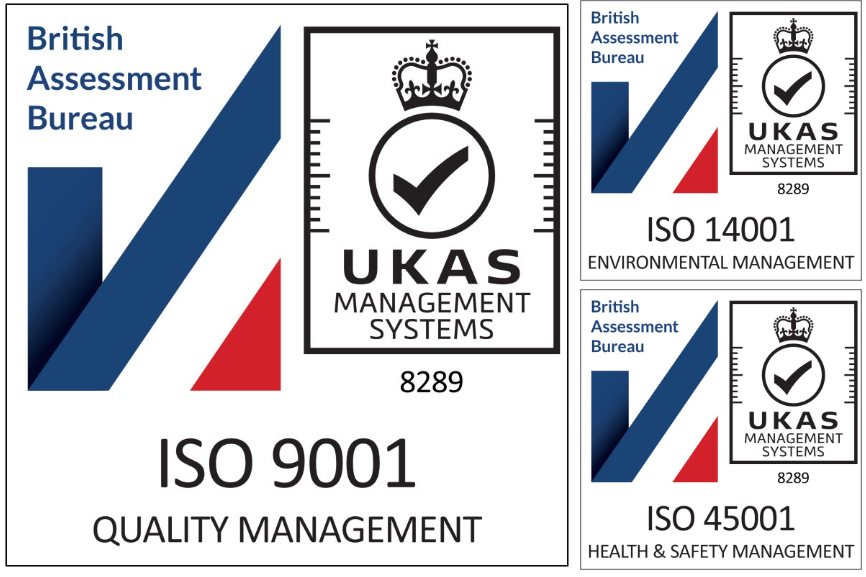
We’re delighted to share that we have once again successfully passed our annual audit with the British Assessment Bureau for:
– ISO 9001 – Quality Management
– ISO 14001 – Environmental Management
– ISO 45001 – Health & Safety
This year, we’re especially proud to announce that RIG Roseland Ltd and RIG Plymouth Ltd have both successfully achieved certification, meaning every RIG site is now ISO accredited.
This milestone demonstrates our commitment to maintaining the same high standards across every business in the RIG Group, ensuring consistency in quality, health & safety and environmental management wherever we operate.
Even more impressively, this marks our third consecutive year with zero minor or major non-conformities – a rare achievement and a testament to the strength of our systems, processes and the dedication of our people.
For those unfamiliar, ISO certifications are internationally recognised standards that demonstrate a company’s commitment to quality, health & safety and environmental management. They provide assurance to our customers, partners and stakeholders that we operate responsibly, consistently and to the highest standards.
A huge thank you to every member of the RIG team for making this possible. Achievements like this are only possible through the hard work, professionalism and commitment shown across the entire group every day.
This achievement reinforces our commitment to delivering the same high standards across every RIG location, for our customers, our people and our partners.
by | | RIG Blog Posts
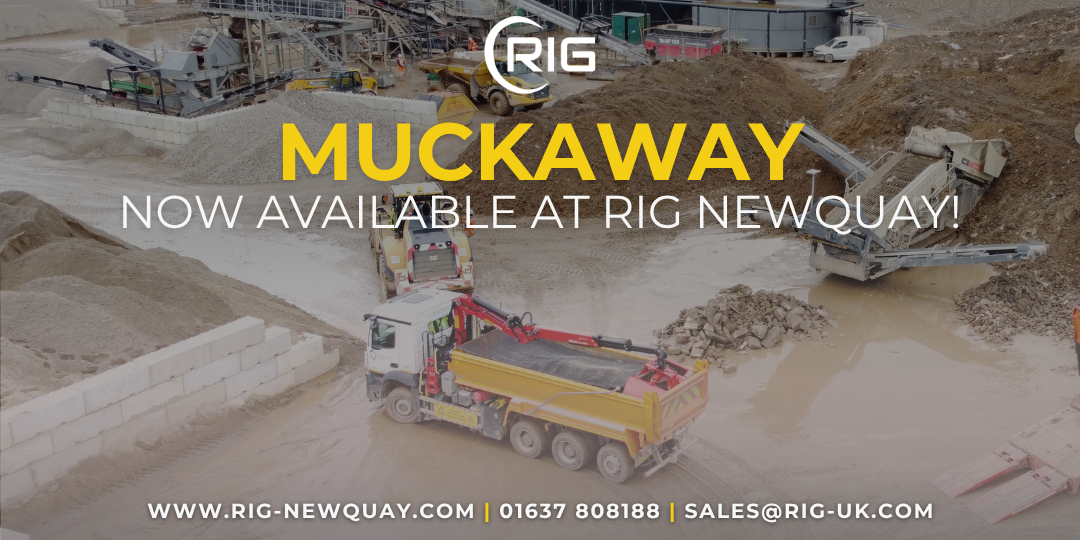
RIG Newquay is expanding its services, with muck away tipping now available at our facility in St Eval.
This major milestone follows the official opening of RIG Newquay earlier this year and provides contractors, developers, groundworkers and hauliers with another reliable, fully permitted route for suitable construction and excavation materials in Cornwall.
Alongside waste acceptance, customers can continue to purchase recovered aggregates directly from RIG Newquay, creating a convenient solution for both removing material from site and sourcing materials for upcoming projects.
A convenient local muck away solution
Construction and groundwork projects depend on reliable waste outlets. Delays in arranging tipping can affect site programmes, vehicle movements and overall project costs.
RIG Newquay offers customers a straightforward local option for the disposal and recovery of approved materials, supported by our experienced sales and operations teams.
Subject to pre-acceptance approval, the site can accept selected materials including:
- Soil and stones
- Concrete
- Bricks
- Tiles and ceramics
- Mixtures of soil, brick, stone and concrete
- Sand, stone and other suitable mineral materials
- Clean, uncontaminated glass
Every load must match an agreed waste description and European Waste Catalogue code. Additional information or testing may also be required depending on the material, its origin and the previous use of the site it has come from.
Our sales team will guide customers through the pre-acceptance process and confirm whether the proposed material can be received before it arrives at RIG Newquay.
Tip waste and collect recycled aggregate
RIG Newquay is more than a muck away destination.
The site also supplies a range of high-quality recycled aggregates for construction, groundwork, infrastructure and landscaping projects throughout Cornwall.
This means customers may be able to bring an approved load into the site before collecting aggregate for their next job, helping to make vehicle movements more efficient and reduce unnecessary journeys.
By combining waste acceptance with the supply of recycled construction materials, RIG Newquay supports a more circular approach to construction. Suitable materials are kept in productive use for longer, reliance on primary resources can be reduced and customers have access to locally available aggregate products.
Whether you require loose loads for a large development or material for a smaller groundwork project, our sales team can discuss product availability, quantities, collection and delivery options.
Working together to deliver permitted infrastructure
Introducing muck away services at RIG Newquay reflects the significant work undertaken by RIG and the organisations involved in developing and regulating the facility.
Obtaining the necessary environmental permissions requires detailed planning, technical information and ongoing engagement. RIG has worked closely with the Environment Agency, local authorities and other stakeholders to bring this service forward responsibly.
This process demonstrates our ability to develop properly permitted facilities that meet regulatory requirements while also responding to the practical needs of local contractors and businesses.
It is an important step in the continued growth of RIG Newquay and complements the wider services provided across the RIG group.
Supporting Cornwall’s construction industry
RIG Newquay provides an additional route for suitable construction and excavation materials in Cornwall, helping customers plan projects with greater confidence and access both waste and aggregate services through one trusted supplier.
For existing RIG customers already using our muck away services, our sales team is available to answer any questions about using the Newquay facility.
We can help with:
- Confirming whether your material can be accepted
- Reviewing waste descriptions and EWC codes
- Explaining testing and documentation requirements
- Arranging tipping
- Providing prices for recycled aggregates
- Coordinating aggregate collections or deliveries
Speak to the RIG sales team:
To discuss muck away tipping at RIG Newquay, arrange your next load or request a quote for aggregate, contact our sales team.
Call: 01637 808188
Visit: rig-newquay.com
All waste must be approved before arrival. Please do not send material to the site until acceptance has been confirmed by the RIG team.
by | | RIG Blog Posts
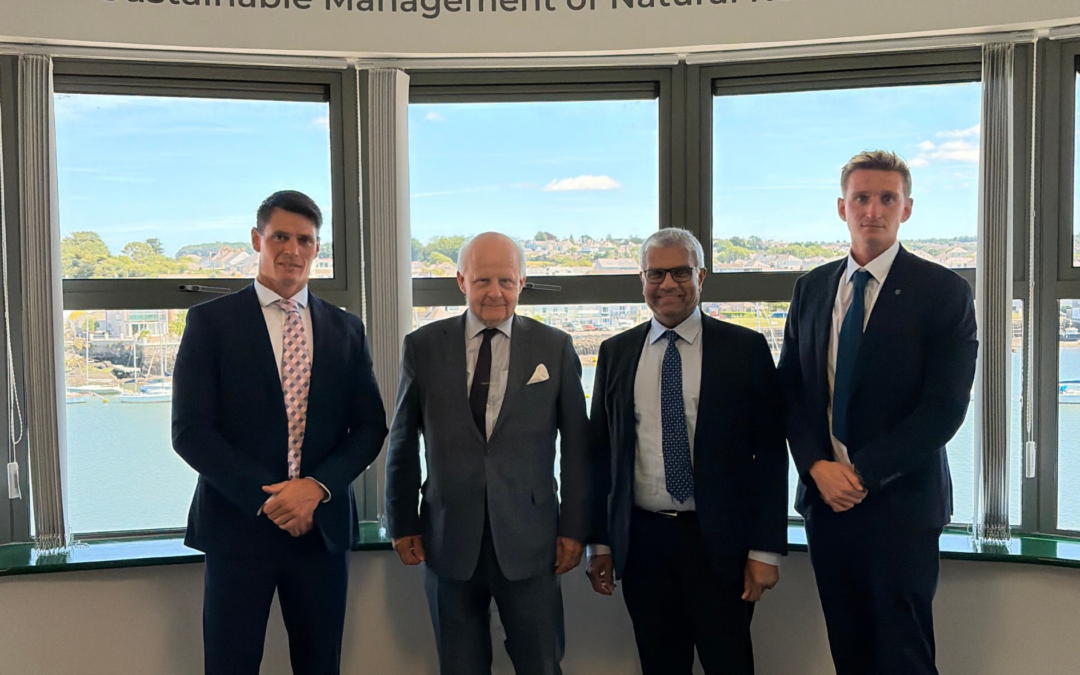
Please join us in welcoming Bhupendra Kansagra to Team RIG!
We are delighted to announce that Bhupendra has joined the Board of RIG Corp Ltd as a Non-Executive Director.
Bhupendra is an internationally recognised investor and resource-sector executive, bringing extensive experience in global markets, capital investment and strategic growth. His career spans mineral processing, agriculture and property across the UK, India and several African markets.
He is also the co-founder and director of Purebond Limited, a multi-stage investment company with a portfolio of approximately US$500 million across natural resources, healthcare and other business sectors.
Bhupendra joins RIG at an incredibly exciting stage in our journey. As we continue to grow our operations across recycled aggregates, waste recovery, sustainable materials, logistics, infrastructure and port-linked development, his international experience and strategic insight will be invaluable.
Paul Nicholls, CEO and Co-Founder of RIG, said:
“We are delighted to welcome Bhupendra to the Board. His appointment is a significant endorsement of our mission, strategy and growth trajectory. His extensive expertise will strengthen our Board as RIG continues to scale its operations and make a meaningful contribution to the circular economy.”
Bhupendra added:
“I am honoured to join RIG’s Board at such an exciting stage in the Company’s development. RIG has gone from strength to strength, and I look forward to working closely with the team to support its next phase of growth.”
Welcome to Team RIG, Bhupendra. We are excited to have you joining us and look forward to what we will achieve together.

by | | RIG Blog Posts
RIG Corp Ltd is continuing its growth journey with the launch of a brand-new skip hire service across Cornwall and Devon.
This latest expansion marks another important step for RIG as the business continues to strengthen its position within the waste management and recycled aggregates sector. With operations growing across the South West, the introduction of skip hire is a natural progression for the company, allowing RIG to offer customers an even wider range of reliable, compliant and local waste solutions.
The new service is designed to support households, trades, construction businesses and commercial customers who need a straightforward and responsible way to manage waste. Whether it is for a home clearance, renovation project, construction job or ongoing commercial requirement, RIG Skip Hire provides a simple and professional service from enquiry through to collection.
With prices starting from just £210*, the service includes skip delivery, collection and waste handled legally, safely and compliantly by a fully permitted local business.
RIG operates a zoning system across Cornwall and Devon, which means customers located closest to RIG’s operational sites benefit from the most competitive pricing. For customers further afield, the team can provide tailored quotations based on location, skip size and waste type.
Available skip sizes include:
6 yard skip
8 yard skip
12 yard skip
12 yard enclosed skip
The launch of skip hire is another milestone in RIG’s continued expansion and reflects the company’s commitment to making waste management more accessible, efficient and compliant across the region.
RIG has grown significantly in recent years, building its reputation as a forward-thinking waste management and recycled aggregates business. By expanding its services, RIG is continuing to make its mark in the industry, supporting local communities, contractors and businesses with practical waste solutions backed by environmental responsibility and operational expertise.
The new skip hire page is now live on the RIG Roseland website, where customers can find out more and request a quote.
Ready to book your skip?
Request a quote here: https://zfrmz.eu/Dkz33rfH1ltLK5MIbzOl
Or contact the team: sales@rig-uk.com | 01872 501221
RIG Skip Hire | reliable, local and compliant waste solutions across Cornwall and Devon.
*Prices from £210, subject to location, availability, skip size and waste type.
by | | RIG Blog Posts
Recycle it Global Ltd is pleased to announce that the company is changing its legal and branded name to RIG Corp Ltd and will now be known simply as RIG.
This positive step reflects the continued growth, evolution and strategic direction of the company. While recycling remains a key part of RIG’s operations, the business has expanded significantly in recent years, with a growing portfolio of sites, services and acquired businesses across sectors including resource management, aggregates, transport, logistics, waste transfer, retail, port facilities and wider operational infrastructure.
As the company continues to grow, the name RIG better represents the breadth of the organisation today and the direction it is moving in for the future.
The change does not alter the company’s purpose, values or commitment to sustainability. RIG will continue to honour its long-standing tagline, “sustainable management of natural resources,” and remains committed to operating responsibly, supporting greener outcomes, and delivering sustainable solutions across its sites and services.
The decision to move away from the words “Recycle it Global” is not a move away from recycling, sustainability or environmental responsibility. Instead, it reflects the fact that the company’s operations now extend beyond recycling alone. As RIG continues to acquire, develop and integrate businesses with alternative and complementary offerings, the new name provides a stronger and more flexible identity for the group.
RIG is now in the process of implementing the name change across its sites, digital platforms, systems, signage, documentation and back-office operations. The company will be bringing customers, suppliers, partners and stakeholders on the journey as these changes are rolled out.
During this transition period, some materials, systems and communications may continue to refer to Recycle it Global while updates are completed.
RIG would like to thank our customers, suppliers and partners for their continued support and understanding as these changes are implemented across the business. Should this transition affect you in any way, we will contact you directly with clear guidance on any action you may need to take.
Please note that the names of all RIG subsidiaries remain unchanged, including RIG Scorrier Ltd, RIG Newquay Ltd, RIG Roseland Ltd and RIG Plymouth Ltd.
If you have any questions regarding this announcement, please contact Philippa Sherrell at philippa@rig-uk.com.